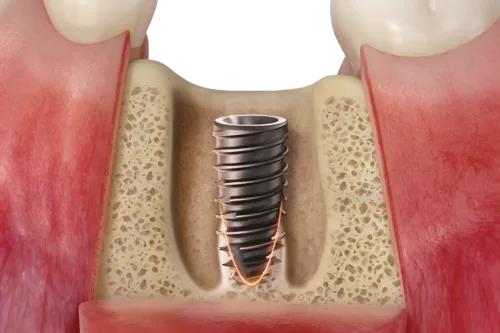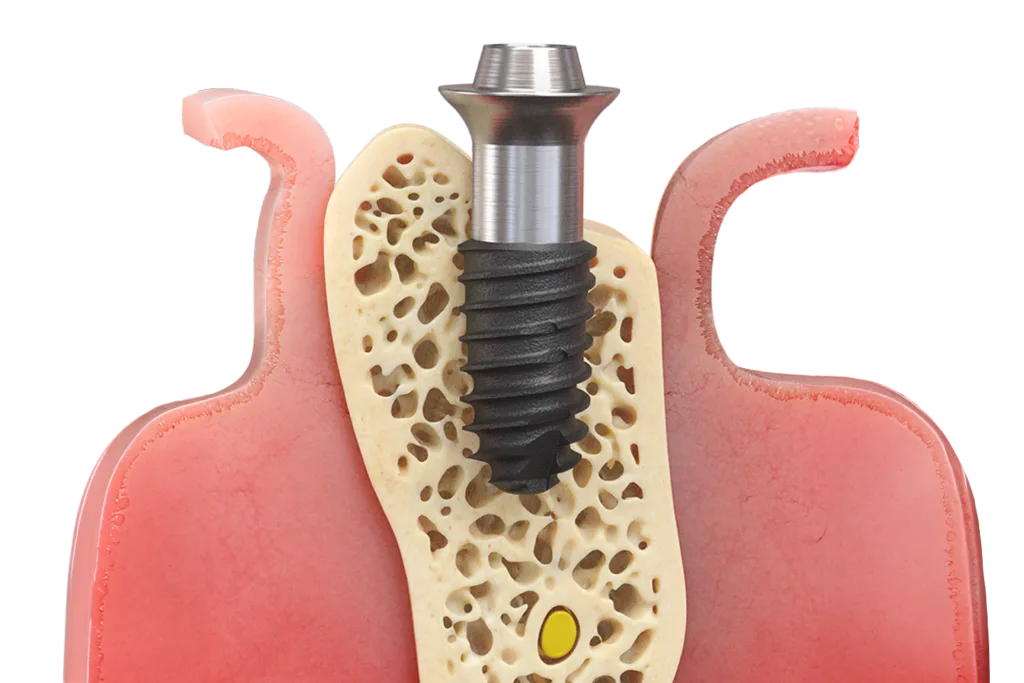
Designed for demanding clinical situations, the KS implants combine a fully tapered body, deep threads, a two-step cutting edge and a sharp apex to support strong primary stability, controlled insertion and reliable initial fixation. Its design is particularly suited to challenging conditions such as soft bone, extraction sockets and immediate placement.
KS brings together implant geometry and cutting features designed to enhance bone engagement, support controlled insertion and achieve strong initial fixation across a broad range of clinical situations.
Designed to promote strong initial fixation through bone engagement and compression, supporting predictable placement across different bone conditions.
Strong primary stability can support immediate loading protocols when clinically indicated, helping expand treatment options in suitable cases.
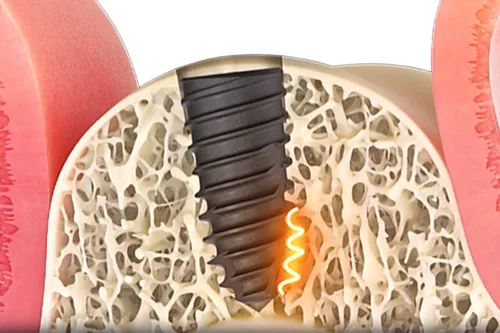
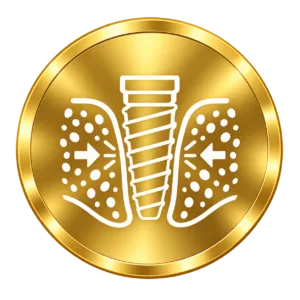
The fully tapered body and deep thread design support bone compression and engagement in low-density bone conditions.
Deep threads and the apical design help achieve mechanical engagement where available apical or septal bone may be limited.
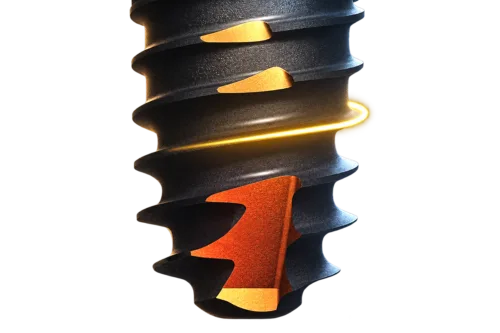
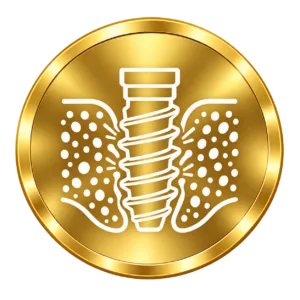
The two-step cutting edge combines cutting and non-tapping sections to support controlled insertion while contributing to bone compression.
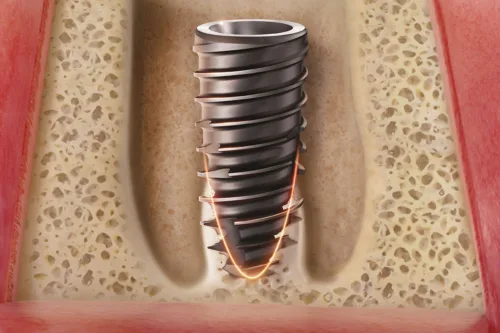
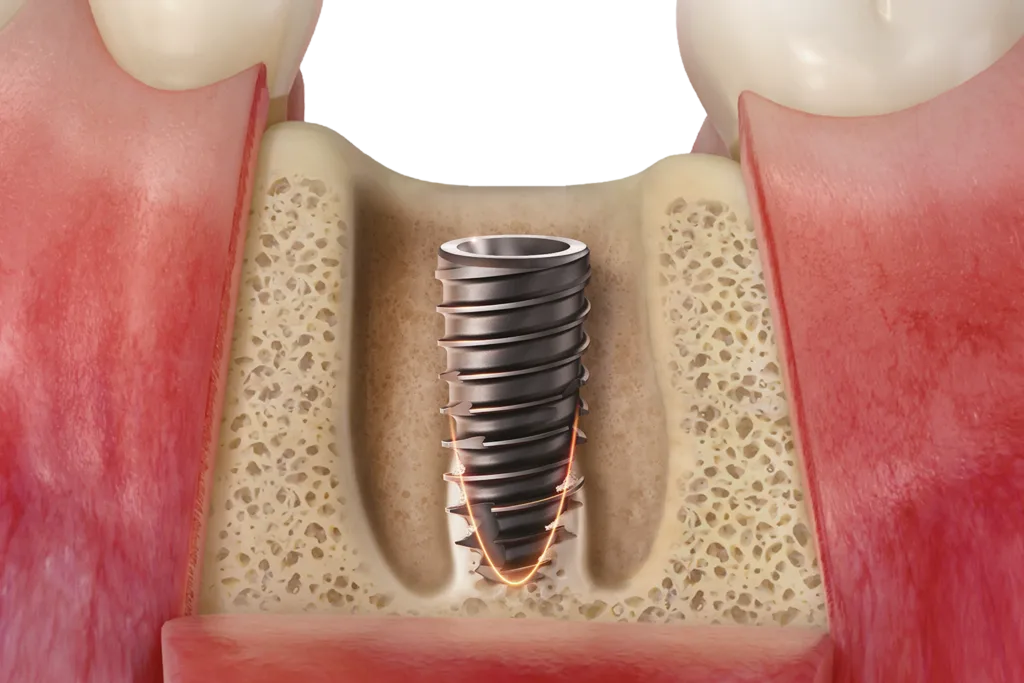
The sharp apex supports implant entry and mechanical engagement while helping minimise the amount of drilling and bone removal required.
The KS implants combine four complementary design features to support bone engagement, compression and controlled insertion. Together, they are designed to promote strong primary stability across demanding clinical situations.
A 3° tapered body supports gradual bone compression during implant insertion, helping to achieve strong primary stability while maintaining controlled placement.
The two-step cutting design combines cutting and non-tapping sections to support controlled insertion while maintaining a bone compression effect around the implant body.
Deep threads increase engagement with the surrounding bone and are designed to support fixation in challenging conditions such as soft bone and extraction sockets.
The sharp apical design supports implant entry and mechanical engagement while allowing minimal drilling and bone removal during osteotomy preparation.
Nearly three decades of implant development have provided Osstem with extensive experience across different implant designs, bone conditions and clinical workflows. KS brings this experience together in a carefully balanced implant geometry – combining a fully tapered body, deep threads, a two-step cutting edge and a sharp apex.
Each element contributes differently. Together, they form a stability-focused design intended to perform reliably across a broad range of clinical situations.

Bone compression

Bone engagement

Controlled insertion

Sharp Apex
Mechanical engagement
The KS concept extends beyond a single implant design. With bone-level, tissue-level and sinus-focused options, the KS family offers solutions tailored to different clinical situations and treatment approaches.
Designed for general implant cases as well as demanding situations such as immediate placement and soft bone, KS 3 supports strong primary stability through its tapered body, deep thread design and apical geometry.
KS 3T combines a deep-thread implant body with a tissue-level concept and integrated abutment-implant structure. It is designed for selected immediate-placement cases and cases involving horizontal bone loss.
Designed for posterior maxillary and sinus-related cases, KS 5 is intended for situations with limited residual bone height. Its geometry supports controlled placement and primary stability in sinus-lift workflows.
Access the latest product information, brochures and supporting materials for the KS 3 Implant System.
Don't miss the Event of 2026