
- Dental Implants
- Prosthetics
- Surgical Kits
- Regenerative
- Equipment
- Miscellaneous
- Oral Care
- Services
- About
- Language
-


For a smile that lasts.
When it comes to dental treatment, feeling informed and confident matters. Osstem Implant is dedicated to supporting patients with reliable implant solutions designed for comfort, natural-looking results, and everyday quality of life. Find answers to your key questions and learn how dental implants can help restore your smile, your confidence, and your ability to enjoy life with ease.
Discover how dental implants work and how they can help restore your smile, comfort, and confidence
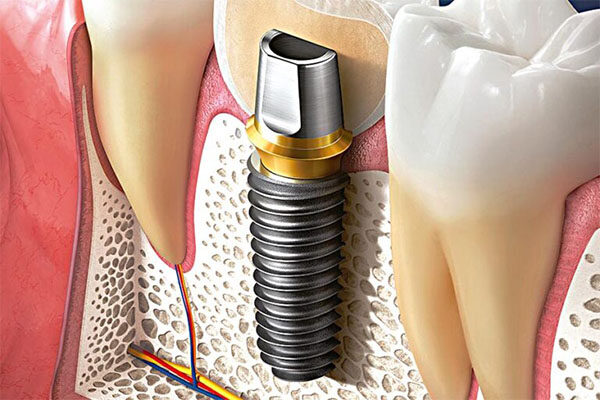
A natural tooth has two main parts: the root, which is securely anchored in the jawbone, and the crown, which is the visible part above the gumline.
A dental implant is designed to take over the role of a natural tooth root. It is a small, durable post made from body-friendly materials such as titanium or ceramic and is placed in the jawbone where a tooth is missing. Once in place, the implant provides a stable foundation for a single crown, a bridge replacing several teeth, or even a full denture.
Natural teeth play an important role in keeping the jawbone healthy. When you chew, pressure is transferred through the tooth roots into the bone, helping to stimulate and maintain bone strength. When a tooth is lost, this stimulation is reduced, and the surrounding bone may gradually shrink over time. This can affect the appearance of your facial contours and may also impact your quality of life, confidence, and natural oral function.
Dental implants help transfer chewing forces back to the jawbone, supporting bone health and helping to maintain your natural facial contours.
A dental implant solution is designed to look, feel, and function much like natural teeth. This can help you feel more at ease when smiling, speaking, eating, or enjoying everyday moments with confidence.
Because dental implants are securely anchored in the jawbone, they provide a stable foundation for replacement teeth. Together with the visible restoration, they can help you bite, chew, and enjoy many of the foods you like again.
Many questions arise when considering dental implants. Below are some frequently asked questions, and we hope they will help you make your decision. We are happy to answer any further questions you may have – please feel free to contact us using the contact form!
Dental implants can offer several important benefits for patients who want to replace missing teeth with a stable, natural-looking solution.
Support jawbone health and facial contours
Dental implants help transfer chewing forces to the jawbone, which can support bone health and help maintain the natural shape of your face.
Improve confidence in your smile
A dental implant restoration is designed to look and feel much like a natural tooth. This can help you feel more comfortable when smiling, speaking, eating, and enjoying everyday moments.
Restore natural function
Because dental implants are securely placed in the jawbone, they provide a strong foundation for replacement teeth. This can help you bite, chew, and enjoy many of your favorite foods again.
Osstem Implant combines experience, advanced technology, and continuous product development to support reliable implant treatment solutions. From implant design and materials to digital workflows and clinical education, Osstem focuses on helping dental professionals deliver safe, precise, and patient-centered care.
For patients, this means implant solutions designed to support comfort, stability, natural-looking results, and long-term confidence.
Yes. Implant-supported restorations are designed to blend in with your natural teeth in shape, color, and function. The visible part of the restoration is carefully planned to achieve a natural-looking result that fits your smile.
Your dentist and dental technician will work together to create a solution that suits your individual mouth and esthetic expectations.
Once the implant has healed and the final restoration has been placed, many patients can enjoy a wide variety of foods again. Dental implants provide a stable foundation for replacement teeth, helping to restore chewing comfort and function.
Your dentist will let you know when it is safe to return to your normal eating habits.
Dental implants may be a suitable solution for many patients with one or more missing teeth. However, every patient is different. Your dentist will assess your oral health, jawbone condition, medical history, and personal needs before recommending implant treatment.
In some cases, additional treatment may be needed before an implant can be placed, such as treating gum disease or rebuilding lost bone.
Dental implant treatment may be an option once jaw growth is complete, which is especially important for younger patients. For adults, there is generally no fixed upper age limit.
What matters most is your overall health, oral health, jawbone condition, and whether you are a suitable candidate for implant treatment. Your dentist will assess your individual situation and help determine whether dental implants are appropriate for you.
In some cases, there may not be enough jawbone available to place dental implants securely. If this happens, your dentist may recommend bone augmentation, a treatment designed to rebuild or increase bone volume in the area where the implant is needed.
With suitable bone grafting materials and careful treatment planning, dental implant treatment may still be possible. Your dentist will assess your individual situation and explain which options are appropriate for your needs.
Smoking can affect healing and may increase the risk of implant complications. This does not always mean that implant treatment is impossible, but it is an important factor your dentist will consider during planning.
Your dentist may recommend reducing or stopping smoking before and after treatment to support better healing and long-term results.
The best way to find out is to speak with your dentist. They will examine your mouth, review your medical history, and may take X-rays or scans to assess your jawbone.
Based on this information, your dentist can recommend whether dental implants are a suitable option and explain the treatment steps, timing, and costs.
The treatment time can vary depending on your individual situation. Some patients may receive their implant and restoration within a shorter timeframe, while others may need several months for healing or additional procedures.
Your dentist will prepare a treatment plan and explain the expected timeline before treatment begins.
Dental implant placement is usually performed under local anesthesia, so the area is numbed during the procedure. After treatment, some swelling, tenderness, or discomfort may occur for a few days.
Your dentist will provide instructions on how to manage discomfort and support healing after the procedure.
After implant surgery, your dentist may recommend avoiding hard, hot, spicy, or sticky foods for a short period of time. Smoking, alcohol, and intense physical activity may also need to be avoided during the early healing phase.
Always follow the specific aftercare instructions provided by your dental team.
As with any surgical procedure, dental implant treatment can involve certain risks, such as infection, delayed healing, discomfort, or complications with surrounding teeth, nerves, or tissues. These risks are usually discussed with you before treatment begins.
Careful planning, good oral hygiene, and regular follow-up appointments help support a safe and successful treatment process.
In a very few cases, an implant may not integrate with the jawbone as expected. If this happens, your dentist will evaluate the area and discuss the next steps with you.
Depending on the situation, it may be possible to remove the implant, allow the area to heal, and consider a new implant at a later stage.
The cost of dental implant treatment depends on each patient’s individual situation and the complexity of the treatment plan. While the initial investment may be higher than some conventional options, dental implants are designed as a long-term solution that can support comfort, function, and quality of life.
Osstem Implant solutions are developed to provide reliable support for replacement teeth and may contribute to lasting everyday comfort when properly planned, placed, and maintained.
Before treatment begins, your dentist will assess your oral health and prepare a personalized treatment and cost plan. The final cost can depend on several factors, including the number of implants required, the condition of the jawbone, any additional surgical steps, the type of restoration, laboratory work, and the fees of the dental professionals involved.
Your dentist is the best person to explain which treatment options are suitable for your needs, expectations, and budget.
Yes. Dental implants can be used to replace a single missing tooth, several missing teeth, or even support a full denture. The number of implants needed depends on your individual situation and the type of restoration planned.
Your dentist will explain which option is most suitable for your oral health, comfort, and treatment goals.
A dental implant replaces the missing tooth root and supports a new visible tooth. A conventional bridge usually relies on neighboring teeth for support.
Both options may be suitable in different situations. Your dentist will explain the advantages and limitations of each treatment so you can make an informed decision.
A denture is a removable replacement for missing teeth, while a dental implant is placed in the jawbone and can support a fixed or removable restoration.
Implant-supported solutions may offer more stability and comfort for some patients. Your dentist can help determine which option best matches your needs and expectations.
Good oral hygiene is essential for the long-term success of dental implant treatment. After your implant has been placed and restored, daily care helps keep your gums, natural teeth, and implant-supported restoration healthy.
You should brush and clean between your teeth every day, carefully following the instructions given by your dentist or dental hygienist. Depending on your situation, they may recommend special brushes, floss, or other cleaning aids for the areas around your implant.
Regular dental check-ups are also important. During these visits, your dentist can monitor the condition of your implant, gums, and restoration, and provide professional cleaning when needed. With proper home care and routine follow-up appointments, dental implants can remain a comfortable and reliable solution for many years.
Dental implants are designed to be a long-term solution. With good oral hygiene, regular dental check-ups, and proper care, they can support replacement teeth for many years.
The long-term success of an implant can depend on several factors, including oral hygiene, overall health, bone quality, lifestyle habits, and regular professional maintenance.
Dental implants need daily care, just like natural teeth. Brushing, cleaning between the teeth, and keeping the gum area around the implant healthy are very important.
Your dentist or dental hygienist may recommend specific cleaning tools, such as interdental brushes or special floss, depending on your restoration.
Regular check-ups are important after implant treatment. During these visits, your dentist can check the implant, gums, bone, and restoration to make sure everything is healthy and functioning well.
Your dental team will recommend a follow-up schedule based on your personal needs.
Don't miss the Event of 2026